Storm & Flash Flood Cleanup in Columbia, MD
A summer cloudburst can drop inches of rain in an hour on the Little Patuxent and Middle Patuxent valleys. The restoration team treats storm runoff as Category 3, removes what it soaked and dries the structure.
(888) 535-8182Call about Columbia storm water- Category 3 protocol
- Truck-mounted extraction
- EPA-registered antimicrobial
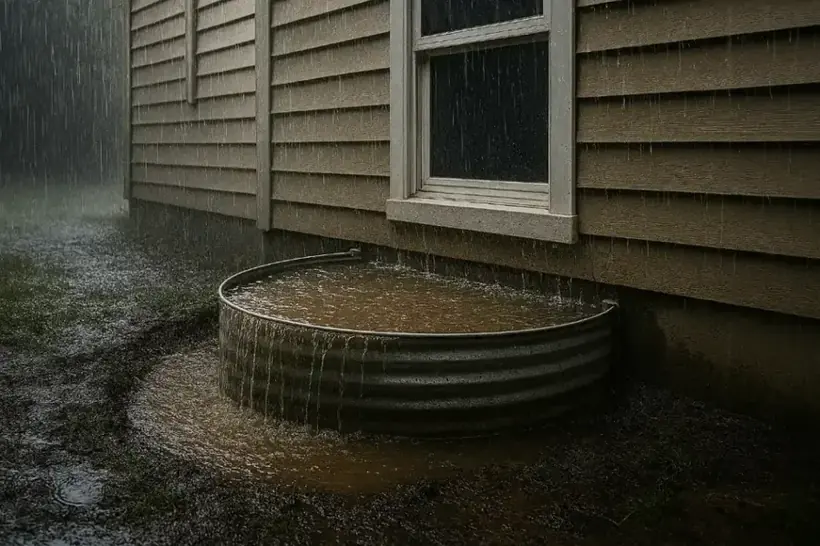
What to do the moment you find storm water inside
- Step 1Stay out of moving water
Never walk or drive through floodwater. Six inches of moving water can knock a person down.
- Step 2Cut power safely
Switch off lower-level circuits only from a dry panel. If water is near the panel, wait.
- Step 3Keep children and pets away
Storm water carries sewage, soil and chemicals.
- Step 4Photograph everything
Take photos of the water height, the entry point and damaged contents before cleanup starts.
Howard County knows how fast a summer storm turns into standing water. The July 2016 and May 2018 flash floods in neighboring Ellicott City are the local reference point, and the same kind of cloudburst regularly overwhelms gutters, window wells and yard drains in Columbia.
What does storm & flash flood cleanup cost in Columbia, MD?
In Columbia, MD, storm and flash flood cleanup typically runs $2,500 to $7,500 for water that entered one lower-level area and $7,500 to $20,000 or more when finished rooms, contents and walls are soaked. Storm runoff is Category 3, so porous materials are removed; square footage, material class and how fast drying started drive the range.
- Window well or door entry
- Carpet and pad removed
- Antimicrobial and drying
- Flood cuts along the walls
- Contents moved or discarded
- Structural drying
- Several rooms or levels
- Containment and HEPA scrubbers
- Extended drying and logs
The drivers are the water category, the square footage, the material class and how fast drying started. For a planning range, try the water damage cost calculator.
How storm and flash flood cleanup is handled in Columbia
- 1
Safety check
The response team confirms power is off in wet areas and the water has stopped rising.
- 2
Extract and remove
The extraction crew removes the water, and the mitigation team removes carpet, pad, drywall and insulation the runoff touched.
- 3
Clean and treat
Remaining surfaces are cleaned and treated with an EPA-registered antimicrobial at its full dwell time.
- 4
Dry and verify
The drying team dries the structure and logs readings until it matches a dry reference.
The standard behind storm and flash flood cleanup
Category 3 surface water from the first minute
Set after removal, based on what remains wet
Extraction, containment, HEPA air scrubbers, dehumidifiers
Cleaned framing within 2 to 4 points of a dry reference
How storm water gets inside
- Window wells that fill faster than their drains can empty.
- Walk-out basement doors on sloped lots that face the runoff.
- Downspouts that dump water against the foundation.
- Clay-rich soil that holds water against basement walls after days of rain.
- Low spots near streams feeding the Little Patuxent and Middle Patuxent rivers and the lakes.
The National Weather Service flood safety page and Ready.gov floods page explain flood warnings and what to do before and during a storm.
Why storm water is Category 3
Runoff carries soil, sewage, fertilizer and road chemicals, so the IICRC S500 standard treats it as Category 3. Carpet, pad, drywall and insulation it touched are removed, not dried. The crew cleans and treats the remaining surfaces with an EPA-registered antimicrobial before any drying equipment goes down.
Flood coverage is separate
Standard homeowners policies usually exclude rising surface water, which is covered by separate flood insurance. Water that came through a roof damaged in the storm may be handled differently. Either way, photos, the moisture map and the drying log are the core of the file. Related pages: finished basement flooding cleanup and sump pump failure cleanup.
Related water damage services in Columbia
Columbia and Howard County
The Columbia restoration crew covers all ten Columbia villages, from Wilde Lake and Town Center to Long Reach, Owen Brown, Kings Contrivance and River Hill, with Ellicott City, Elkridge, Clarksville and Fulton close by.
Every village and ZIP coveredStorm and flash flood cleanup questions in Columbia
Is storm water really that dirty?
Yes. Runoff picks up soil, sewage, fertilizer and road chemicals on its way in. That is why the IICRC S500 standard treats it as Category 3 and porous materials it touched are removed.
Does homeowners insurance cover flash flooding?
Rising surface water is usually excluded from standard homeowners policies and covered by separate flood insurance. Water through a storm-damaged roof may be treated differently. Coverage depends on your policy, so it is worth checking with your own insurer.
Can anything in the basement be saved?
Hard, non-porous items can usually be cleaned and disinfected. Upholstered furniture, mattresses, cardboard and carpet soaked by storm water are usually discarded.
How long does storm cleanup take?
Removal and treatment usually take one to two days, then drying runs three to five days or more depending on the materials left.
Should I pump out a flooded basement right away?
If the ground outside is still saturated, pumping too fast can stress the foundation walls. The response team checks conditions before removing deep water.
How can I keep storm water out next time?
Extend downspouts away from the house, add window well covers, keep yard drains clear and test the sump pump before storm season.
Storm water in a Columbia lower level?
(888) 535-8182Call about the storm waterStorm water inside after a Columbia cloudburst? Call now.
The restoration team removes what the runoff soaked, treats the surfaces and dries the structure to the IICRC S500 standard.