Frozen Pipe Cleanup in Columbia, MD
A frozen pipe splits quietly and floods when it thaws. The restoration team extracts the water, opens the cold wall where the pipe runs, and dries the cavity to a verified reading.
(888) 535-8182Call about the Columbia frozen pipe- Cavity drying in exterior walls
- Thermal imaging
- Daily moisture readings
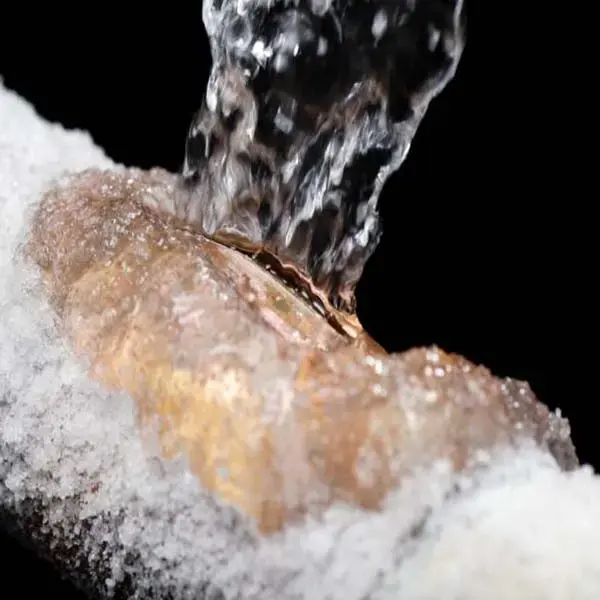
What to do the moment you find a frozen pipe
- Step 1Close the main shutoff
Do it before the pipe thaws if you suspect a split. The flood usually starts when the ice melts.
- Step 2Never use an open flame
Thaw a frozen pipe with warm air or a hair dryer, not a torch or a space heater left unattended.
- Step 3Open cabinet doors
Let heated air reach sink supply lines on exterior walls.
- Step 4Photograph and mark
Take photos of the wet areas and note which wall or ceiling showed water first.
Maryland winters are mild most of the time, which is exactly why frozen pipes catch Columbia homeowners off guard. A few nights in the teens, a garage door left open, or a supply line in an exterior wall with thin insulation is enough.
What does frozen pipe cleanup cost in Columbia, MD?
In Columbia, MD, frozen pipe cleanup typically runs $1,000 to $3,500 when the split is found quickly and $3,500 to $8,500 when the water ran inside an exterior wall or through a ceiling for hours. Square footage, material class and how fast drying started set the range; the plumbing repair is separate.
- Split under a sink or in a garage
- Extraction and floor drying
- Small access openings
- Exterior wall opened at the base
- Insulation removed where wet
- Cavity drying and dehumidifiers
- Ceiling below and lower level
- Carpet and pad removed
- Extended drying and logs
The drivers are the water category, the square footage, the material class and how fast drying started. For a planning range, try the water damage cost calculator.
How frozen pipe cleanup is handled in Columbia
- 1
Find the split
The tech who does the walkthrough uses thermal imaging to find the wet cavity and the path the water took.
- 2
Extract
The extraction crew pulls water from floors, carpet and pad on every level it reached.
- 3
Open the cold wall
The mitigation team opens the base of the exterior wall where needed and removes soaked insulation.
- 4
Dry and verify
The drying team dries the cavity and framing and logs readings until they match a dry reference.
The standard behind frozen pipe cleanup
Category 1 at the source
Class 2 once insulation and drywall are wet
Thermal imaging, extraction, cavity drying, LGR dehumidifiers
Exterior wall framing within 2 to 4 points of a dry reference
Where Columbia pipes freeze
- Kitchen and bathroom supply lines on exterior walls, especially behind sink cabinets.
- Pipes in attached garages and unheated laundry areas.
- Hose bibs whose inside valves were never closed for winter.
- Crawl spaces and cantilevered floors over open air on split-levels and contemporaries.
- Sprinkler and supply lines in vacant rooms where the heat was turned down.
The National Weather Service cold safety page and the Baltimore and Washington forecast office are the best places to watch for the hard freezes that split pipes here.
Why the wall has to be opened
A pipe that froze in an exterior wall usually sits in a cavity packed with insulation. Wet fiberglass holds water against the framing and the back of the drywall, and it does not dry in place. The mitigation team opens the base of the wall, removes the wet insulation, and dries the cavity with directed air and dehumidifiers. The wall gets new insulation during the rebuild, which is a good time to add pipe insulation too.
After the thaw
The drying goal is framing within 2 to 4 points of a dry reference in the same house, checked daily. Burst lines that were not frozen are covered under burst pipe cleanup, and water that came through a ceiling is covered under ceiling leak water damage.
Related water damage services in Columbia
Columbia and Howard County
The Columbia restoration crew covers all ten Columbia villages, from Wilde Lake and Town Center to Long Reach, Owen Brown, Kings Contrivance and River Hill, with Ellicott City, Elkridge, Clarksville and Fulton close by.
Every village and ZIP coveredFrozen pipe cleanup questions in Columbia
How do I know a frozen pipe has split?
Often you do not until it thaws. Signs include no water at a faucet during a cold snap, frost on an exposed pipe, or a bulge in the pipe. Close the main shutoff before thawing if you suspect a split.
Is it safe to thaw the pipe myself?
Use warm air, such as a hair dryer, and work from the faucet end back toward the frozen section. Never use an open flame. If the pipe is inside a wall, leave it to a plumber.
Why does the insulation have to come out?
Wet fiberglass insulation holds water against the framing and will not dry in place. Removing it lets the cavity dry and prevents hidden moisture.
How long does drying take after a frozen pipe?
A contained loss usually dries in three to five days. Exterior walls in cold weather can take a little longer because the framing is cold.
Is frozen pipe damage covered by insurance?
Sudden damage from a frozen pipe is commonly covered when reasonable care was taken to keep the house heated. Coverage depends on your policy, so it is worth checking with your own insurer.
How can I prevent frozen pipes next winter?
Close inside valves to hose bibs, insulate pipes in exterior walls and garages, keep the heat on in unused rooms, and open sink cabinets on the coldest nights.
Pipe split during a Columbia cold snap?
(888) 535-8182Call about the frozen pipeFrozen pipe split in Columbia? Call now.
The restoration team extracts the water, opens the cold wall only where needed and dries the cavity to a verified reading.